News & Opinion Blog
Giants of the Mesozoic & Treasures of Art: Inside the Carnegie Museums of Pittsburgh
PITTSBURGH, PA — Stepping into the Daniel G. and Carole L. Kamin Hall of Dinosaurs at the Carnegie Museum of Natural History isn't just a museum visit—it’s a direct ticket back to the Mesozoic Era. For Pittsburghers and travelers alike, this collection remains one of the premier paleontological treasures in the world.
Unlike many natural history exhibits that rely heavily on replica casts, nearly 75% of the 230+ specimens on display in Pittsburgh are original, authentic fossils.
World-Renowned Holotypes on Display
The hall is home to several invaluable holotype specimens—the specific original fossils used by scientists to define and name an entire species:
-
Diplodocus carnegii ("Dippy"): Discovered in 1898 with funding from Andrew Carnegie, Dippy became an international icon and the world's most famous dinosaur. The massive sauropod was so big it literally forced the museum to expand its building in the early 1900s.
-
Tyrannosaurus rex (CM 9380): The museum houses the very first T. rex specimen ever discovered by Barnum Brown in 1902. Today, it stands in a dramatic face-off against another T. rex in a fully recreated Cretaceous environment.
-
Apatosaurus louisae: Another massive long-necked giant, named in honor of Andrew Carnegie’s wife, Louise.
Dinosaurs in Their Time
What sets Pittsburgh's hall apart is its commitment to scientific accuracy. Rather than standing in static, drag-tailed poses, the dinosaurs are mounted in dynamic, biomechanically accurate postures—complete with immersive habitats featuring the actual plants, fish, and early mammals that shared their ancient ecosystems.
Wildlife Halls & Ancient Antiquities
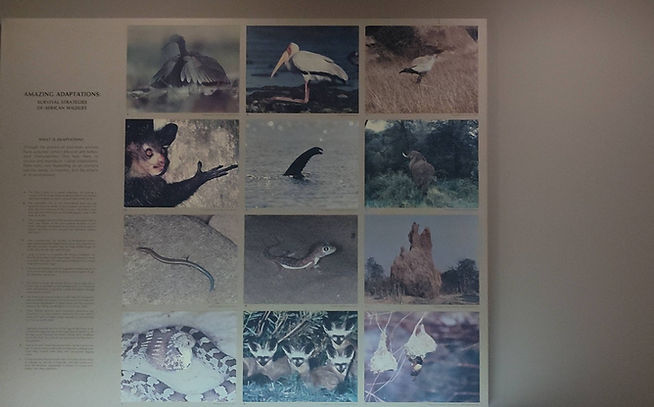
Moving beyond the prehistoric exhibits, coverage continued into the museum's Hall of African Wildlife and Hall of North American Wildlife, showcasing meticulously crafted diorama habitats and unique animal specimens from across the globe.
Our walkthrough also took in classical galleries filled with impressive ancient Roman artifacts and sculptures—offering readers a complete look at ancient Mediterranean history up close.
Expanding into the Carnegie Museum of Art
Crossing seamlessly over to the Carnegie Museum of Art side of the complex, readers are treated to world-class architectural casts and historical masterpieces. From the towering architectural casts in the Hall of Architecture to the classical marble grandeur of the Hall of Sculpture and contemporary works in the Scaife Galleries, the art collection provides a striking contrast to the natural history exhibits.
A notable highlight in the modern galleries includes Julie Mehretu's dynamic, large-scale painting Stadia II (2004), which layers architectural drawings of stadiums, flags, and geometric forms to capture the energy of mass gatherings and global sports events.
Reporter's Note
A special thanks to the Carnegie Museum of Natural History and Carnegie Museum of Art for providing official media pass access for today's news coverage. Be sure to look out for our upcoming exclusive photo layout, featuring Andy Warhol's single portrait display alongside Julie Mehretu's monumental contemporary artwork, wildlife dioramas, and ancient fossils!